Quick Verdict
Under the stated Telstra BusinessLine Complete call rates and current $55 monthly charge, the landline side totals $1,134.10 a month for two lines before add-ons; the VoIP side is an illustrative $125 assumption pending verification against a named plan. Across the wider market, the result still depends on user and channel requirements, call inclusions, features, hardware and the available fixed-voice alternatives. Available fixed-voice pricing varies by provider, address, access technology and plan: some plans charge monthly access plus calls, while others bundle domestic calls or are sold as low-cost broadband add-ons. Cloud phone pricing varies by provider and may be structured per user, per line or per system; check call inclusions, channel limits and paid add-ons for the selected plan. When you add features generally unavailable on a basic analog line without PBX equipment or carrier add-ons-such as auto-attendant, ring groups, voicemail-to-email and call recording-the value comparison may favour VoIP. The only scenario where a traditional landline might still make sense is a single-line home office with minimal calls, and even then, VoIP is usually cheaper.Pros
- VoIP may have lower monthly costs than a comparable landline configuration, but the saving depends on plan structure, users, concurrent-call requirements, features and usage.
- Some phone system plans include unlimited local, national and mobile calls, while others meter one or more call types.
- VoIP plans may include business features that require PBX equipment or separately priced carrier features on a traditional landline.
- Cloud systems can often be expanded by changing licences or channel capacity without installing copper lines, although additional endpoints or network capacity may still be required.
- Works on your existing NBN internet connection, no separate copper line required
- Number porting may let you keep an active existing business number if the receiving provider supports the port; confirm eligibility before cancelling the old service.
Cons
- VoIP depends on your internet connection quality and reliability
- Power outages take your phones offline (landlines on copper were powered from the exchange)
- Emergency 000 location data may be less precise on VoIP compared to fixed landline
- Initial setup requires some configuration (choosing provider, porting numbers, setting up handsets)
- On a congested or unstable internet connection, VoIP quality can suffer; the NBN access technology alone does not determine whether it will be better or worse than PSTN audio.
Monthly Cost Breakdown: Landline vs VoIP
Let us compare the actual monthly costs for a typical Australian small business. All prices are in AUD and were checked against publicly available rates in September 2026.Traditional Landline Costs (Telstra/Optus Business)
| Per Line/Month | Notes | |
|---|---|---|
| Line rental (Telstra Business Line) | $50-65 | Just the line, no calls included |
| Line rental (Optus Business) | Varies by plan -- Optus doesn't publish a flat business line-rental rate, get a current quote | Similar structure, varies by plan |
| Local calls | 22c per call (Telstra BusinessLine Complete, untimed, Aug 2026) | Adds up with volume |
| National calls | 80c per call (Telstra BusinessLine Complete, Aug 2026) | Depends on plan tier |
| Mobile calls | 36c per minute + 55c connection fee (Telstra BusinessLine Complete, Aug 2026) | This is where landline bills blow out |
| Call features (call waiting, hunt group) | $5-20/month per feature | Each feature is a separate add-on |
| Voicemail | $5-10/month | Separate add-on on most plans |
cloud phone system Costs (Australian Providers)
| Per User/Month | Notes | |
|---|---|---|
| cloud phone system plan (entry level) | $15-22 | Includes handset extension, voicemail, basic features |
| cloud phone system plan (full featured) | $25-35 | Unlimited AU calls, auto-attendant, ring groups, call recording |
| Local and national calls | Included in most plans | Unlimited on mid-tier plans and above |
| Mobile calls | Included or $0.10-0.15/min | Many plans include unlimited AU mobile |
| Business features | Included | Feature inclusions vary by provider and plan; check whether auto-attendant, ring groups, voicemail-to-email, hold music and recording are included or separately charged. |
| Number (DID) | $3-5/month | Per number, most plans include 1 |
Side-by-Side: What a 5-Person Business Actually Pays
Here is a worked monthly bill for a 5-person business with moderate call usage. This example assumes 22 working days a month and eight calls per person per day: three local calls averaging three minutes, two national calls averaging three minutes, and three mobile calls averaging five minutes. That is 30 minutes of calls per person per day. Local and national calls are charged per call, while each mobile call incurs a connection fee plus a per-minute charge. At the rates above, calls cost $1,024.10 a month for five people. Two shared lines add $100-$130, bringing the landline total to $1,124.10-$1,154.10 before any paid feature add-ons. Substitute your own call counts, mix and average mobile call length for an estimate tailored to your business.| Traditional Landline (2 shared lines, 5-person team) | cloud phone system (5 individually-licensed users) | |
|---|---|---|
| Line rental / user licences | $100-$130 ($50-$65 x 2 lines) | $125 ($25 x 5 users) |
| Call charges | $1,024.10 for the stated scenario: $72.60 local + $176 national + $775.50 mobile | $0 (included in plan) |
| Feature add-ons | Plan-dependent; some fixed-business plans include voicemail or call waiting, while hunt groups and other functions may have separate charges. | $0 (included) |
| Total monthly estimate | $1,124.10-$1,154.10 before any paid feature add-ons | $125 |
| Features included | Basic voice only | Auto-attendant, ring groups, voicemail-to-email, call recording, hold music, mobile app |
Total Cost of Ownership: 1, 3, and 5 Years
Monthly costs tell part of the story. Here is an illustrative comparison of voice-service, setup and handset costs for a 5-person business; it excludes the underlying internet service, assumed already available, and any required network upgrades or backup connectivity.Setup and Hardware Costs (One-Time)
| Traditional Landline | cloud phone system | |
|---|---|---|
| Line installation (Telstra) | $0-299 per line | N/A |
| Desk phones (5 handsets) | $150-300 (basic analog phones from Officeworks) | $400-750 (entry-level VoIP phones, e.g. Yealink T31P at ~$80-150 each) |
| Phone system / PBX | $0 (no system, just lines) or several thousand to tens of thousands of dollars for an on-premise PBX, scaling heavily with company size, hardware brand and installer -- get a specific quote rather than budgeting off a generic range | $0 (cloud phone system is cloud-based, included in monthly fee) |
| Cabling / infrastructure | $0-500 (existing copper) | $0 if suitable Ethernet/Wi-Fi and power are already available; otherwise allow for cabling, PoE switches, power adaptors or network upgrades. |
| Number porting | N/A | Porting fees vary by provider and port complexity; simple ports may be free, while complex local-number ports can cost substantially more. |
| Configuration and setup | $0-200 (basic, self-install) | $0-200 (provider-assisted setup) |
| Total setup estimate | $150-6,000+ | $400-1,000 before any required cabling, PoE, power, network-upgrade or complex-porting costs |

Total Cost Over Time
| Year 1 (setup + 12 months) | Year 3 (setup + 36 months) | Year 5 (setup + 60 months) | |
|---|---|---|---|
| Traditional Landline | $13,639.20-$19,849.20+ | $40,617.60-$47,547.60+ | $67,596-$75,246+ |
| cloud phone system | $1,900-2,500 | $4,900-5,500 | $7,900-8,500 |
| VoIP Savings | $11,139.20-$17,949.20+ | $35,117.60-$42,647.60+ | $59,096-$67,346+ |
The PSTN Shutdown: Why This Is No Longer Optional
Australia's copper PSTN network has been progressively decommissioned as the NBN rollout reached each area. Telstra's legacy copper services are being retired. In NBN fixed-line areas, most affected legacy copper phone services have been or will be disconnected, but Fixed Wireless and Sky Muster premises and some business, special-service and private-network connections are exceptions.This means the cost comparison above is partly academic. Traditional copper landlines are no longer available in most of Australia. If you are still on a "landline," you are likely already on VoIP without knowing it. Depending on the provider and access type, an analog phone may connect to a modem/router phone port, an NBN connection box UNI-V port, or a provider-supported ATA. ISP-supplied modem voice services are often less configurable than a hosted PBX, but their prices, included calls and calling features vary by ISP and plan.This is the hidden cost of doing nothing. ISP ATA voice pricing and features vary. Compare the actual ISP plan against a hosted PBX based on required users, concurrent calls and business features. Every missed call because your single line was busy, every customer who called after hours and got nothing, every time you could not transfer a call or check a voicemail from your phone - that is the real cost. For a full breakdown of the copper shutdown timeline and what it means, see our PSTN shutdown guide.Hidden Costs on Both Sides
Neither option is completely transparent on pricing. Here are the costs that often surprise businesses on each side.Hidden Landline Costs
Mobile call charges. Some landline plans charge per minute for calls to mobile numbers, while other fixed-business plans bundle standard mobile calls. At $0.35-0.55 per minute, a 10-minute call to a mobile costs $3.50-5.50. If your business calls customers and suppliers on mobiles regularly , this can add $50-200/month per line that is not visible in the headline price.Feature add-on stacking. Feature inclusions vary: some current fixed-business plans include voicemail, call waiting and caller ID, while hunt groups and other features may be separately charged. A business adding basic functionality can pay $20-50/month in feature charges on top of line rental.
Second and third line costs. If you need more than one person on a call simultaneously, you need another line. Each additional physical line adds another line charge. The number of lines required depends on concurrent-call demand; price the required lines using the selected provider's current plan.
Break fees on contracts. Contract terms vary; check the applicable CIS for minimum terms, cancellation charges and outstanding device repayments. If you decide to switch mid-contract, you are paying to leave.
Hidden VoIP Costs
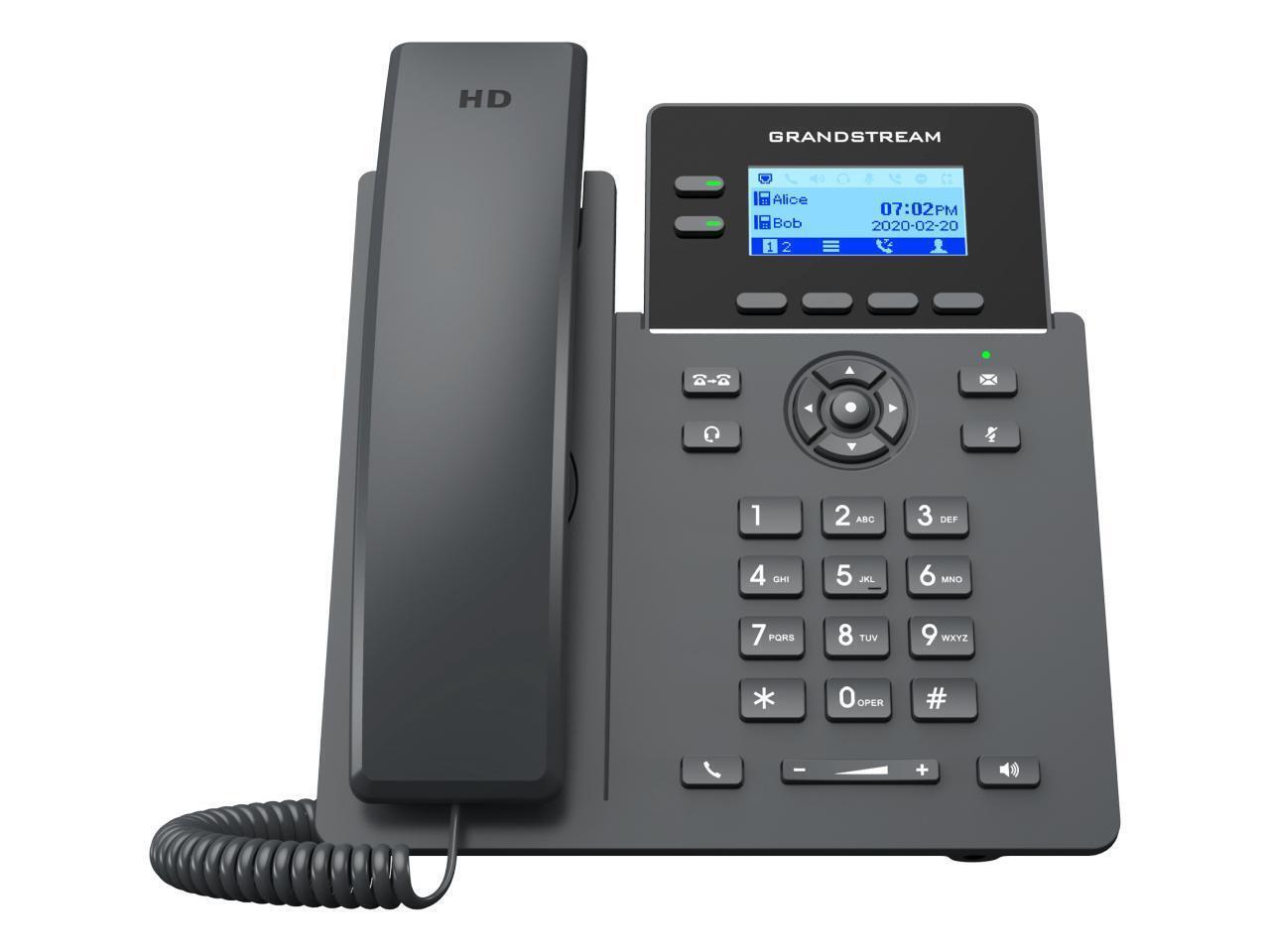
Handset costs upfront. Unlike a $30 analog phone from Officeworks, VoIP desk phones start at $80-150 for entry-level models (Yealink T31P, Grandstream GRP2602P). Mid-range models with colour screens and more line keys cost $200-350. This is a one-time cost, but it is higher than analog phones. That said, many business phone companies offer handsets on rental or include them with longer contracts.Internet dependency. VoIP runs on your internet connection. If your NBN drops, your phones go down. A mobile hotspot or 4G failover router ($200-400) is worth considering as insurance. This is not a cost you have with copper landline (which was powered from the exchange).
Per-minute international rates. Some phone system plans advertise "unlimited calls" but the fine print says "unlimited local and national." International calls are often charged per-minute at $0.05-0.50+ depending on the destination. If your business makes regular international calls, check the international rate card before signing up.
Number porting timing. Porting fees vary by provider, and the old numbered service must remain active until the port completes. Any period and cost of overlapping services depend on the providers and migration plan. Budget for the overlap. For a comprehensive look at VoIP costs that catch businesses off guard, see our hidden costs of VoIP guide.
Feature Comparison: What You Get for Your Money
Cost is only half the story. The feature gap between landline and VoIP is where the real value difference becomes clear.| Traditional Landline | cloud phone system | |
|---|---|---|
| Auto-attendant (press 1 for sales...) | Requires expensive PBX hardware | Included in most plans |
| Ring groups (all phones ring) | Not available on basic lines | Standard feature |
| Voicemail-to-email | Not available | Standard feature |
| Call recording | Requires separate equipment or a hosted recording add-on; pricing varies significantly by provider and setup -- get a specific quote | Included or low-cost add-on |
| Hold music | Requires PBX or separate device | Included |
| Mobile app (take calls on phone) | Not available | Included in most plans |
| After-hours routing | Basic (divert to mobile, charged per divert) | Full time-based routing with multiple rules |
| Simultaneous calls | 1 per physical line | Multiple per user (shared trunk) |
| 1300/1800 number support | Yes (carrier-managed) | Yes (provider-managed, more flexible routing) |
| Call analytics and reporting | Online bills and itemised call records may be available, but basic fixed-line services generally lack the real-time PBX analytics dashboards offered by cloud systems. | Real-time dashboard |
What Most Businesses Get Wrong
Mistake 1: Comparing line rental to VoIP subscription without including call charges. The most common error in VoIP vs landline comparisons is comparing the landline line rental ($50-65/month) to the VoIP per-user fee ($25-35/month) and calling it a small difference. But the landline cost does not include calls. The total cost of a landline depends on whether calls are bundled and, for metered plans, the volume and mix of calls. Some VoIP subscriptions include domestic calls, while others meter one or more call types. In the moderate-use scenario calculated above, the metered Telstra call charges are $1,024.10 a month before the $100-$130 line rental or any paid feature add-ons, so the gap is dramatically wider than the headline plan prices suggest. Businesses with very few calls or bundled domestic calls may see a smaller gap.Mistake 2: Thinking "I already have VoIP" because your ISP gave you a phone port. If your NBN modem has a green phone port and you plug an analog phone into it, you are technically using VoIP. But you are using the most basic, restricted version possible. ISP voice policies vary: some providers disclose SIP credentials and support compatible BYO equipment, while available features and scalability depend on the specific service. A hosted PBX may provide broader business features, but control, included features and cost must be compared against the specific ISP service and hosted-PBX plan.Mistake 3: Delaying the switch because "the phones still work." This is the cost-of-inaction trap. Yes, your current setup still makes and receives calls. But every engaged tone a customer hears, every after-hours call that goes nowhere, every time you cannot transfer a call or check voicemail from your mobile - that is revenue and customer goodwill you are losing. The PSTN is already shut down in most areas. The question is not whether to switch, but how long you will keep paying more for less. For an honest look at what the copper shutdown means for your business, see our PSTN shutdown guide.Switching: What the Process Actually Looks Like
Switching from a landline (or ISP ATA) to cloud phone system is simpler than most businesses expect. Here is the typical timeline:Week 1: Choose a provider and plan. Compare 2-3 Australian business phone companies. Ask about included calls, 1300/1800 support, handset options, and setup assistance. A good provider will ask about your business before recommending a plan, not just push the most expensive option. You can request a free recommendation to shortcut this step.Week 1-2: Order handsets. If you are using desk phones (recommended for office environments), order your handsets. Entry-level Yealink T31P or Grandstream GRP2602P models are $80-150 each and perfectly adequate for most small businesses. Your provider may offer pre-configured handsets that arrive ready to plug in.
Week 1-2: Submit number port request. Your new provider submits the porting paperwork to your current carrier. This is the longest part of the process. Keep your existing service active until the port completes.
Week 2-3: Port completes, go live. Once the port is confirmed, your existing phone number starts ringing on your new VoIP system. Plug in the handsets, test calls in and out, configure your auto-attendant and ring groups. An uncomplicated individual local-number port may fit within 2-3 weeks, but complex ports and any equipment or network work can take longer; active setup effort varies.
Your Next Steps
Use this checklist to evaluate whether switching makes sense for your business and to plan the move:1. Pull your last 3 months of phone bills. Calculate your actual monthly spend including line rental, call charges, and feature add-ons.2. Count your lines and users. How many physical phone lines do you have? How many people need to make and receive calls? VoIP services may be priced per user, per line or channel, or as a system package, depending on the provider. This is often where the biggest saving comes.
3. Check your internet connection. Use our bandwidth calculator to confirm your NBN connection can handle VoIP for your team size. A 10/5 Mbps connection may have enough raw capacity for 5-10 calls, but suitability also depends on available bandwidth under load, latency, jitter, packet loss and network configuration.
4. Estimate your VoIP cost. Use our VoIP cost calculator to get an estimate based on your team size and call volume. Compare against your current phone bill total.
5. Check your current contract. Are you locked into a landline contract? Check the end date and any early termination fees. Whether switching saves money after paying a break fee depends on the fee, setup and hardware costs, current usage, concurrent-call requirements, and the selected plan.
6. Get quotes from 2-3 business phone companies. Ask specifically about: unlimited calling inclusions, 1300/1800 number support, handset options, number porting timeline, and whether setup assistance is included.
7. Plan for overlap. Budget for one month where you are paying both your old and new service (during the porting window). This is a one-time cost that protects you from any disruption during the switch.
For an accurate landline-to-VoIP cost comparison, start with a clear-eyed reading of your current bill. Our Phone Bill Translator decodes each line item and generates a side-by-side comparison against what a cloud VoIP service would charge for the same usage.
International calls are one area where the cost gap between VOIP and landline is most pronounced. International per-minute rates and bundled call inclusions vary by destination, provider and plan; some VOIP plans include international calls or credits, while others charge for all international calls separately. See our dedicated guide to international calls on a VOIP system in Australia for a full comparison of plan structures and per-minute rates.
Is VoIP really cheaper than a landline in Australia?
What happens to my phone number if I switch to VoIP?
Do I need to buy new phones for VoIP?
What happens to my VoIP phones during a power outage?
Can I still call 000 on VoIP?
Is VoIP call quality as good as a landline?
Are traditional landlines still available in Australia?
How long does it take to switch from landline to VoIP?
Ready to Compare business phone companies for Your Business?
Get a Recommendation